
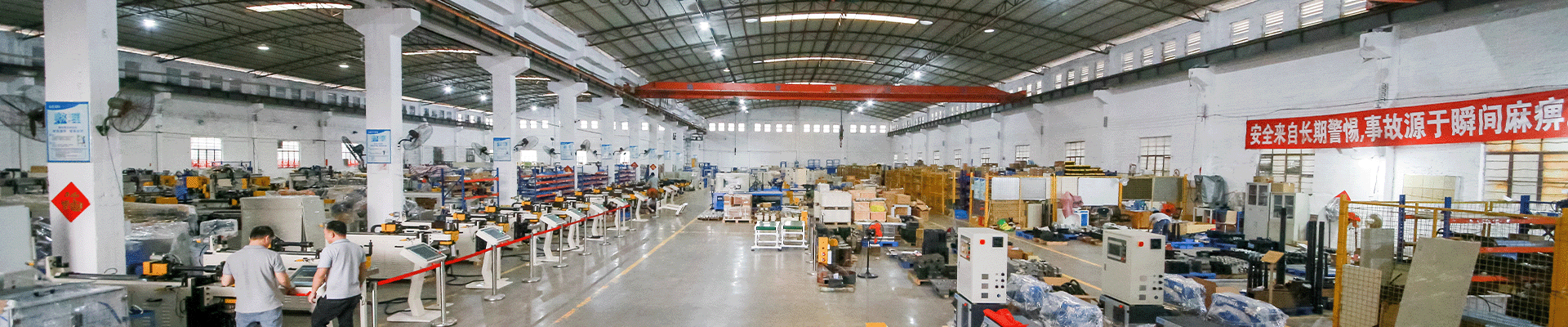
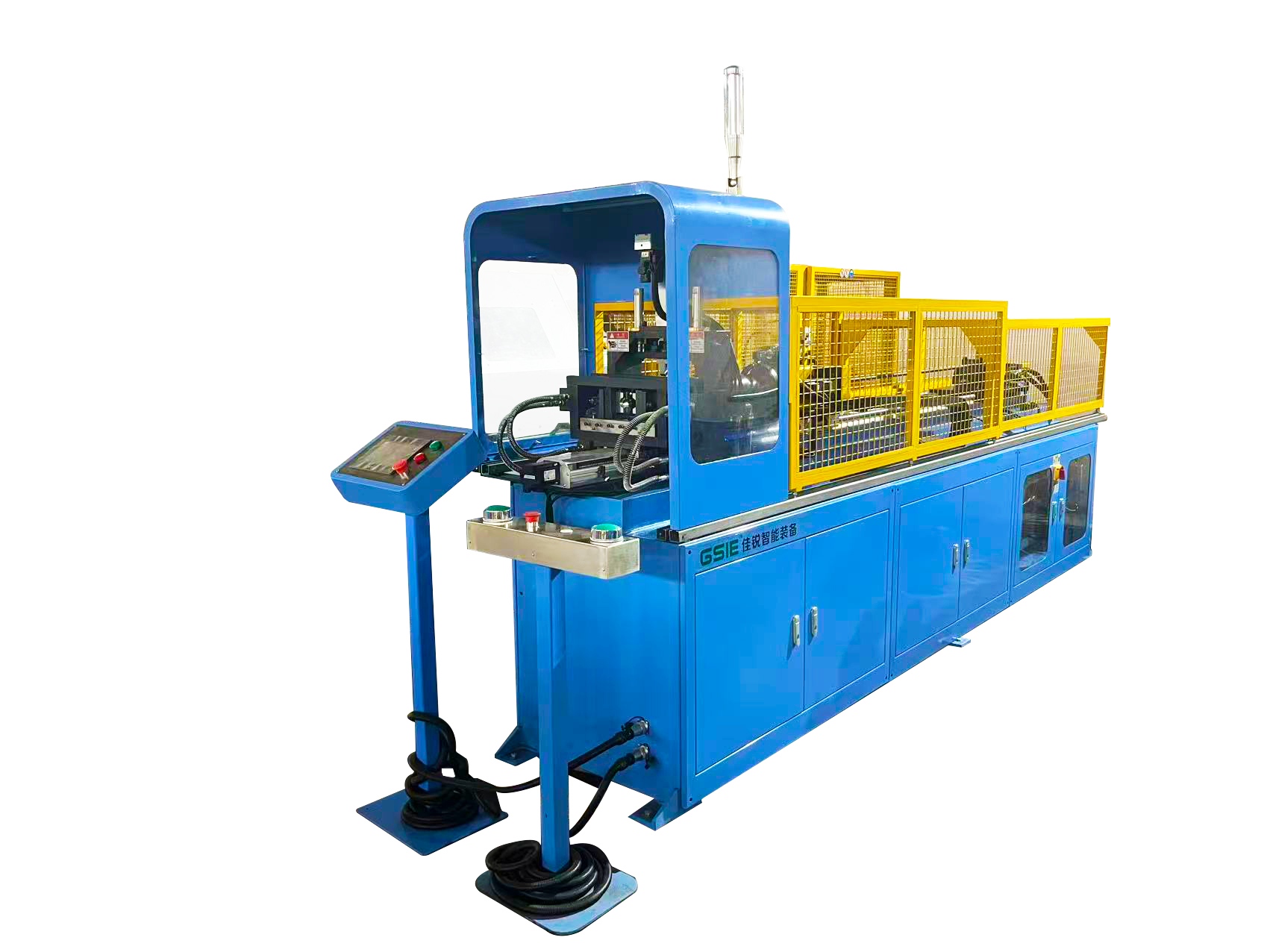
Stainless steel tube projects often combine several operations, such as positioning, punching, flanging, welding and assembly. Choosing a punching machine therefore requires more than matching a product name to a material. Tube diameter, wall thickness, the required hole position and the next production step all need to be checked together. This guide explains the pipe punching equipment shown by GSIE and identifies the information buyers should confirm before requesting a solution.
What Is a Pipe Punching Machine
A pipe punching machine creates holes in a tube as part of a wider tube-processing sequence. GSIE describes its CKJ-20-H as a pneumatic punching machine used to punch copper and aluminum pipes before the next welding procedure. This makes the relationship between punching and downstream welding important when evaluating a machine for a production line.
The material and size stated for a specific model should always be treated as the starting point for technical confirmation. The CKJ-20-H page lists a processing range of Φ8 to Φ20 and a wall thickness below 1.8 mm. Those specifications should not automatically be transferred to stainless steel tubes or to another model.
Why Material and Process Details Matter
Stainless steel is only one part of a machine-selection decision. A buyer should prepare the stainless steel grade, outside diameter, wall thickness, tube length, hole position and hole shape, together with the welding or assembly process that follows punching. These details allow the machine supplier to assess whether the proposed tooling and processing method fit the application.
It is also useful to distinguish punching from flanging. Punching creates the opening in the tube, while flanging forms the edge around a hole or tube end. Cutting, bending and end forming are separate tube-processing operations. Keeping these processes clear helps procurement teams compare the right equipment category and avoid selecting a machine based only on a similar-sounding name.
GSIE Pipe Punching Machine Solutions
GSIE presents a dedicated Pipe Punching Machine series within its tube-processing equipment range. The category includes pneumatic punching equipment and an automatic stainless steel pipe flanging machine. Its description refers to the integration of CNC, hydraulic, pneumatic and servo-driven systems for automatic positioning, flanging, auxiliary clamping and feeding.
CKJ-20-H Pneumatic Punching Machine
The CKJ-20-H is identified on the company website as a Pneumatic Punching Machine. The published description states that it is mainly used for punching copper and aluminum pipes with a diameter from Φ8 to Φ20 and a thickness below 1.8 mm. The punching operation prepares the tube for the next welding procedure.
See the full CKJ-20-H product information for the listed processing parameters.
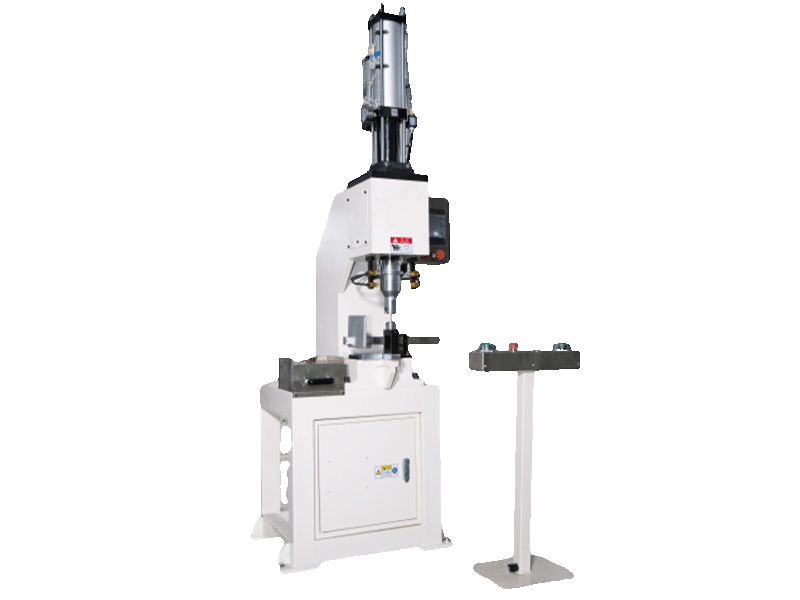
For a stainless steel project, this distinction is essential: the CKJ-20-H page does not list stainless steel among its stated materials. Buyers should provide their stainless steel tube details to GSIE and confirm material compatibility before selecting the model.
Automatic Positioning Flanging and Feeding
The Pipe Punching Machine category also describes automatic processing that combines pre-hole positioning, flanging, auxiliary clamping and feeding. The automatic stainless steel pipe flanging machine is described as using a CNC system together with hydraulic, pneumatic and servo drive systems for one-stop automatic processing.
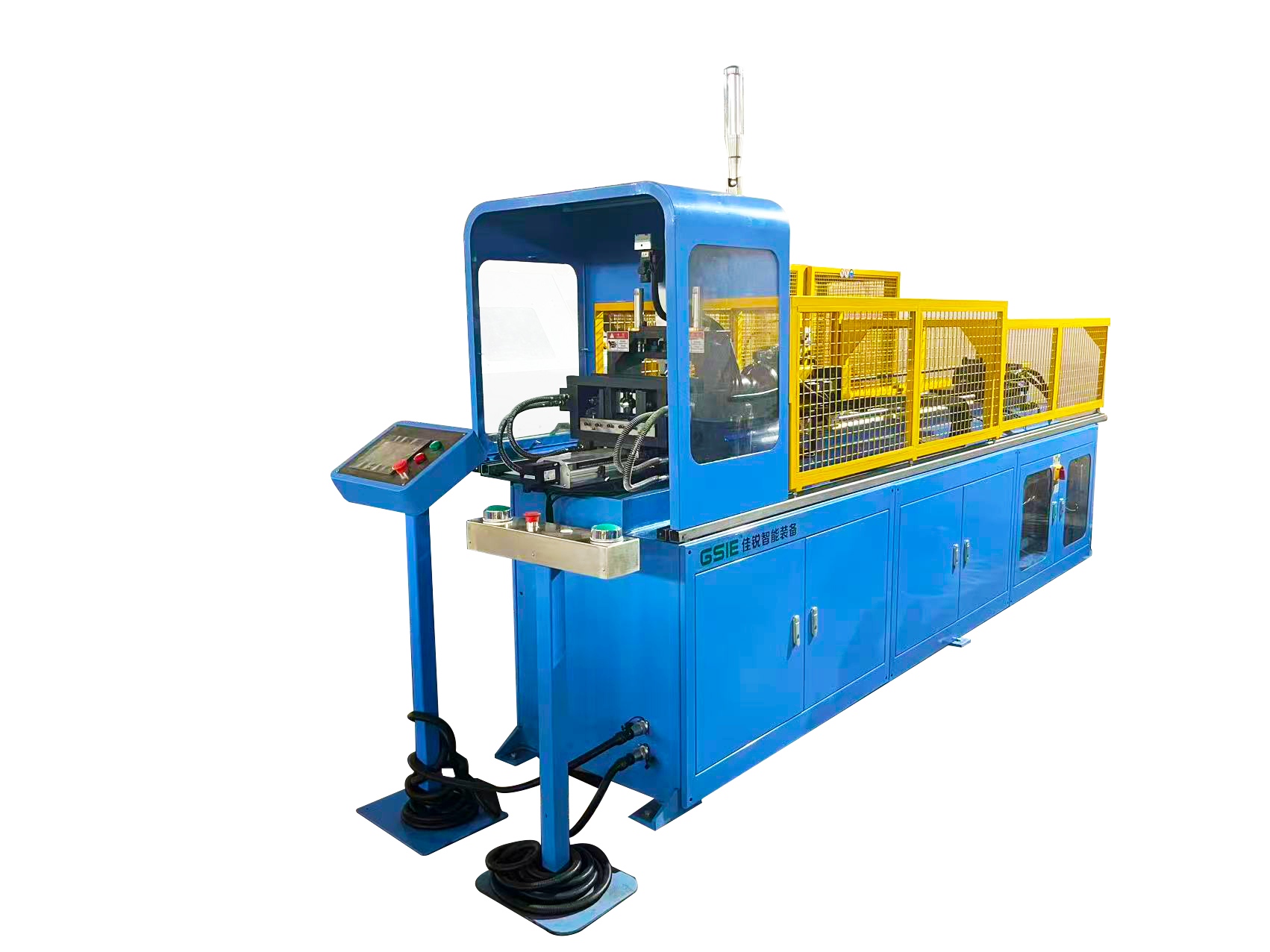
This type of integration is relevant when a production process needs more than a single punching action. It can connect positioning and material handling with a forming operation, while the exact machine configuration still depends on the tube and process requirements supplied by the customer.
Applications in Tube Processing
GSIE identifies automotive, medical and aerospace sectors in the description of its Pipe Punching Machine solutions. These industries may use tube components that require controlled hole locations and further welding or assembly. The application reference does not replace project-specific validation: the material, dimensions and required process sequence must still be confirmed for each order.
How to Choose a Stainless Steel Pipe Punching Machine
Confirm the tube material
State the stainless steel grade and tube condition clearly. Because the CKJ-20-H listing names copper and aluminum pipes, a stainless steel application should be treated as a technical inquiry rather than an assumed fit.
Check the processing range
Compare the required outside diameter and wall thickness with the model range. For CKJ-20-H, the published figures are Φ8 to Φ20 and below 1.8 mm. If the tube falls outside these figures, request confirmation instead of extrapolating from the listed range.
Match the next operation
Tell the supplier whether the punched tube will move to welding, flanging, assembly or another operation. GSIE specifically describes CKJ-20-H punching as preparation for welding and describes automatic equipment that can combine positioning, flanging, clamping and feeding.
Define the automation level
Clarify whether the project needs a pneumatic punching machine for a defined operation or a more integrated CNC, hydraulic, pneumatic and servo-driven process. This distinction helps align the machine with production flow and handling requirements.
Pipe Punching Compared with Other Tube Machines
|
Equipment category |
Primary operation |
|
Pipe punching machine |
Punching holes in tubes |
|
Pipe flanging machine |
Flanging a tube or hole edge |
|
Tube cutting machine |
Cutting tubes |
|
Tube end forming machine |
Forming tube ends |
|
CNC tube and pipe bending machine |
Bending tubes and pipes |
FAQ
Can the CKJ-20-H punch stainless steel pipes?
The CKJ-20-H product description lists copper and aluminum pipes as its main processing materials. Stainless steel is not listed on that page, so the material compatibility and tooling should be confirmed with GSIE before purchase.
What tube sizes can the CKJ-20-H process?
The published processing range is Φ8 to Φ20, with a wall thickness below 1.8 mm.
What happens after pipe punching?
According to the CKJ-20-H description, the punched tube is prepared for the next welding procedure. Projects that also require flanging, clamping or feeding should be assessed as a complete process.
Conclusion
A suitable machine decision starts with accurate tube and process information. Share the stainless steel grade, tube dimensions, hole requirements and downstream operation with GSIE so the applicable punching or flanging solution can be evaluated. For product and process discussions, contact GSIE through the company website.