
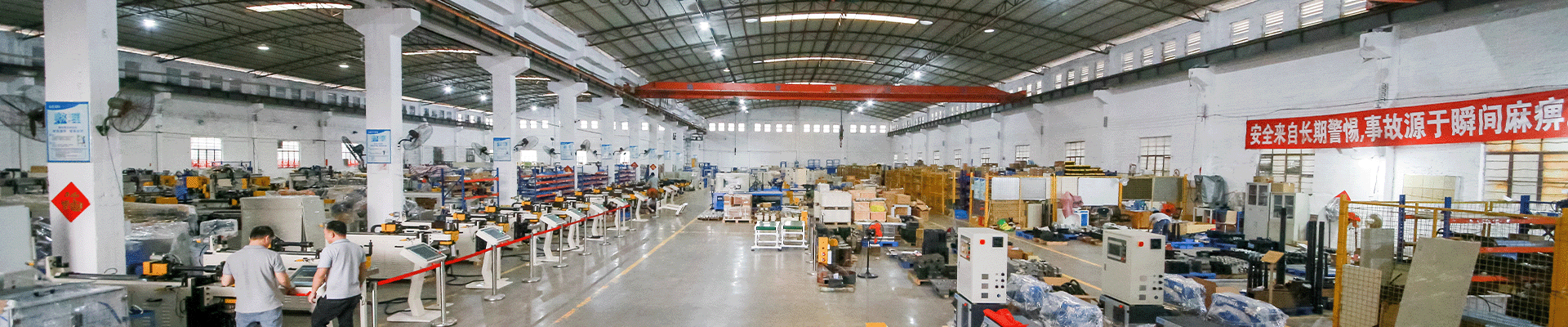
A practical checklist for B2B buyers planning an imported tube end forming machine
Importing a pipe end forming machine involves more than selecting a model and arranging delivery. The buyer also needs to confirm the intended forming process, tube range, automation configuration, site conditions, commissioning steps and final acceptance criteria. This checklist provides a practical framework for reviewing those points with the supplier before shipment and during installation.
Confirm the Required End Forming Process
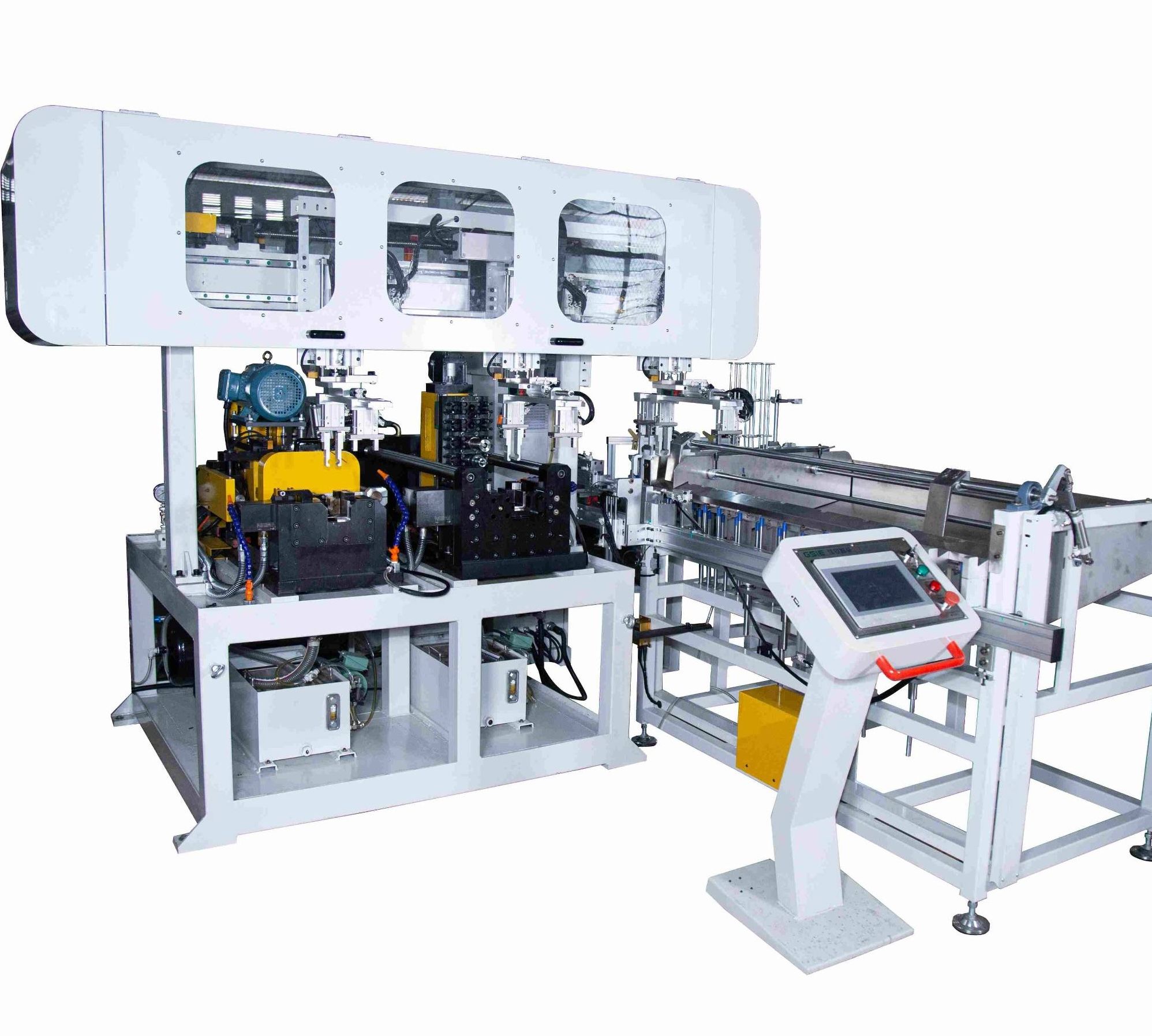
Start with the finished tube shape and the sequence required to produce it. GSIE describes its end forming solutions as equipment for operations such as expanding, reducing, flaring and shaping. Some models combine several forming stations, while others integrate end forming with grooving, chamfering, feeding or unloading.
Review the relevant Tube End Forming Machine series before comparing individual models.
Before placing an order, prepare the tube material, outside diameter, wall thickness, tube length, end geometry, forming sequence and expected following operation. These details should be matched with the model specification and tooling plan rather than inferred from the product name.
Verify the Model and Published Range
A model-specific specification is the foundation of an import checklist. For example, the ZFMS-D20 is described as an end forming and grooving all-in-one machine with multiple forming stations. Its published processing range is 8 x 1 to 20 x 1.5, with a processing tube fitting length of 150 to 1,000 mm. The page also lists automatic feeding and servo grooving.
The detailed ZFMS-D20 product information should be checked against the buyer’s tube drawings and production requirements.
The FM-D30-5P is another example of a model with a defined configuration. GSIE describes it as an end forming machine with five forming stations for the cold extrusion deformation of steel, copper, aluminum and other tube materials. The equipment is also described as integrating automatic feeding and unloading.
See the FM-D30-5P product information when confirming the forming-station and automation requirements.
Pre-Import Documentation Checklist
Before shipment, ask the supplier to confirm which documents will be provided for the ordered machine and which documents must be prepared by the importer. The exact document package depends on the transaction and destination country, so the checklist below is a confirmation list rather than a claim about a standard GSIE shipment package.
- Commercial invoice, packing list and shipment information required for the destination country.
- Confirmed model name, serial number or equipment identification and a final specification sheet.
- Machine layout, installation drawings and the technical information needed by the receiving site.
- Operation, maintenance and safety documents available for the ordered configuration.
- Electrical, hydraulic, pneumatic or servo-system information where applicable to the selected machine.
- Tooling list, spare-parts list and a clear record of items included in the quotation.
- Contact details for the technical person responsible for installation and commissioning questions.
Prepare the Receiving Site
Before the machine arrives, compare the installation area with the machine layout and handling plan. Confirm the route from unloading point to the final position, the available floor space, lifting or moving equipment, operator access and the space needed for feeding and unloading. The site should also be checked against the utilities and installation conditions specified for the ordered configuration.
Do not assume that the requirements of one end forming machine apply to another. A multi-station forming machine, a grooving-integrated machine and a fully automated line may require different arrangements for material flow and operator access.
Installation and Commissioning Checks
Use the supplier’s technical documents as the controlling reference during installation. The following sequence helps the buyer record what has been checked:
- Inspect the machine, tooling and accessories after unpacking. Record visible damage or missing items before installation.
- Verify the model, main configuration and supplied tooling against the purchase documents.
- Confirm that the machine is positioned, connected and guarded according to the installation information for the ordered configuration.
- Run a no-load or dry cycle to check the basic movement sequence before processing production material.
- Load the specified tube material and verify feeding, clamping, forming-station sequence, grooving or chamfering functions where included.
- Check automatic loading and unloading if the ordered machine includes those functions.
- Produce trial pieces and compare the formed ends with the approved drawings or samples.
- Record adjustments, tooling settings, trial results and any open issues before production release.
Production Acceptance Checklist
Acceptance should be based on agreed technical requirements rather than a general statement that the machine runs. For a forming project, the buyer and supplier should agree in advance on the sample tube, forming sequence, required dimensions, appearance requirements and the method for recording results.
|
Acceptance item |
What to confirm |
|
Material and tube range |
The trial material, tube size and wall thickness match the agreed project conditions. |
|
Forming result |
The formed end matches the approved drawing, sample or technical specification. |
|
Station sequence |
Each required forming, grooving or chamfering operation is completed in the intended order. |
|
Feeding and unloading |
Automatic handling works as specified when included in the selected configuration. |
|
Repeatability |
Multiple trial pieces are checked using the agreed measurement method. |
|
Documentation |
Final settings, tooling information, open issues and handover records are collected. |
Questions to Resolve Before Signing Off
- Which tube materials and dimensions have been confirmed for the ordered model?
- Which operations are included in the machine configuration and which require separate equipment?
- Are tooling, feeding, unloading and inspection functions included in the quotation?
- Which site utilities and installation conditions must the buyer prepare?
- What trial material and sample drawings will be used for commissioning?
- Which results must be recorded before the machine enters production?
FAQ
Which GSIE information should be checked first?
Start with the Tube End Forming Machine series and the specific model page. Confirm the forming process, material range, tube dimensions, forming stations and automation functions that are actually published for the selected machine.
Can a published range be applied to every tube end forming project?
No. A published range belongs to a specific model and does not replace confirmation of the customer’s material, tube drawings, tooling and forming sequence.
What should the buyer provide for commissioning discussions?
Provide the tube material, dimensions, end-form drawings or samples, required operations, expected production flow and the destination-site conditions that may affect installation. This gives the supplier a basis for checking the proposed configuration.
Contact GSIE About Your Import and Commissioning Plan
A clear checklist helps the buyer align the machine configuration, shipment documents, installation preparation and production acceptance. Share the tube drawings, material information, required forming sequence and site questions with GSIE before finalizing the import and commissioning plan.