
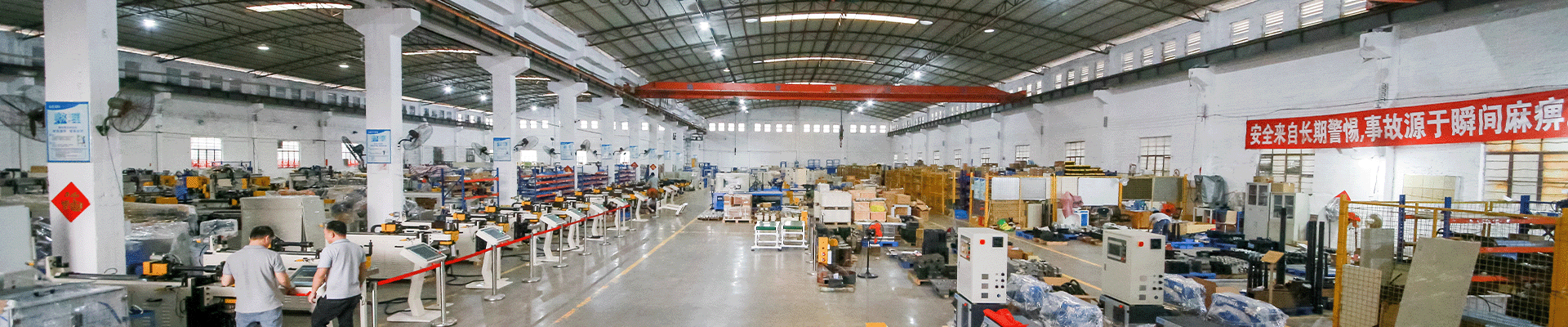
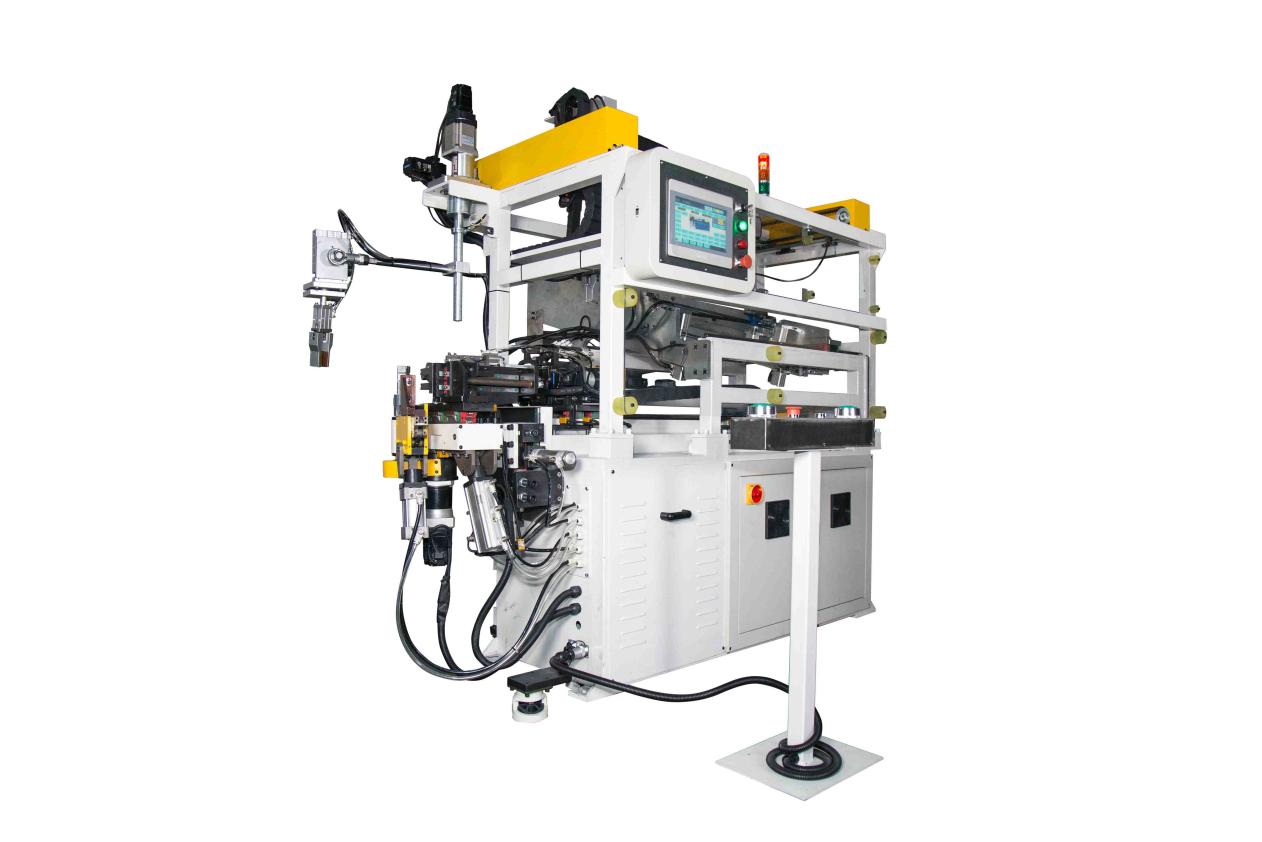
In modern HVAC manufacturing, HVAC piping plays a central role in systems such as air conditioners, refrigerators, and heat exchangers. These products rely heavily on precise copper tubing to ensure efficient heat transfer and long-term reliability. As production volumes increase and product designs become more compact, the demand for high-quality copper tube bending continues to grow.
Traditionally, tube forming relied on manual or semi-automatic processes. However, these methods often struggle to meet today’s requirements for precision, consistency, and scalability. This is where the tube bending machine becomes essential. By combining automation with high-precision control, manufacturers can achieve repeatable results while improving overall productivity.
With the rise of automation in manufacturing, HVAC companies are now shifting toward more advanced solutions that integrate bending, forming, and inspection into streamlined workflows.
What is the Role of Tube Bending Machines in HVAC Manufacturing?
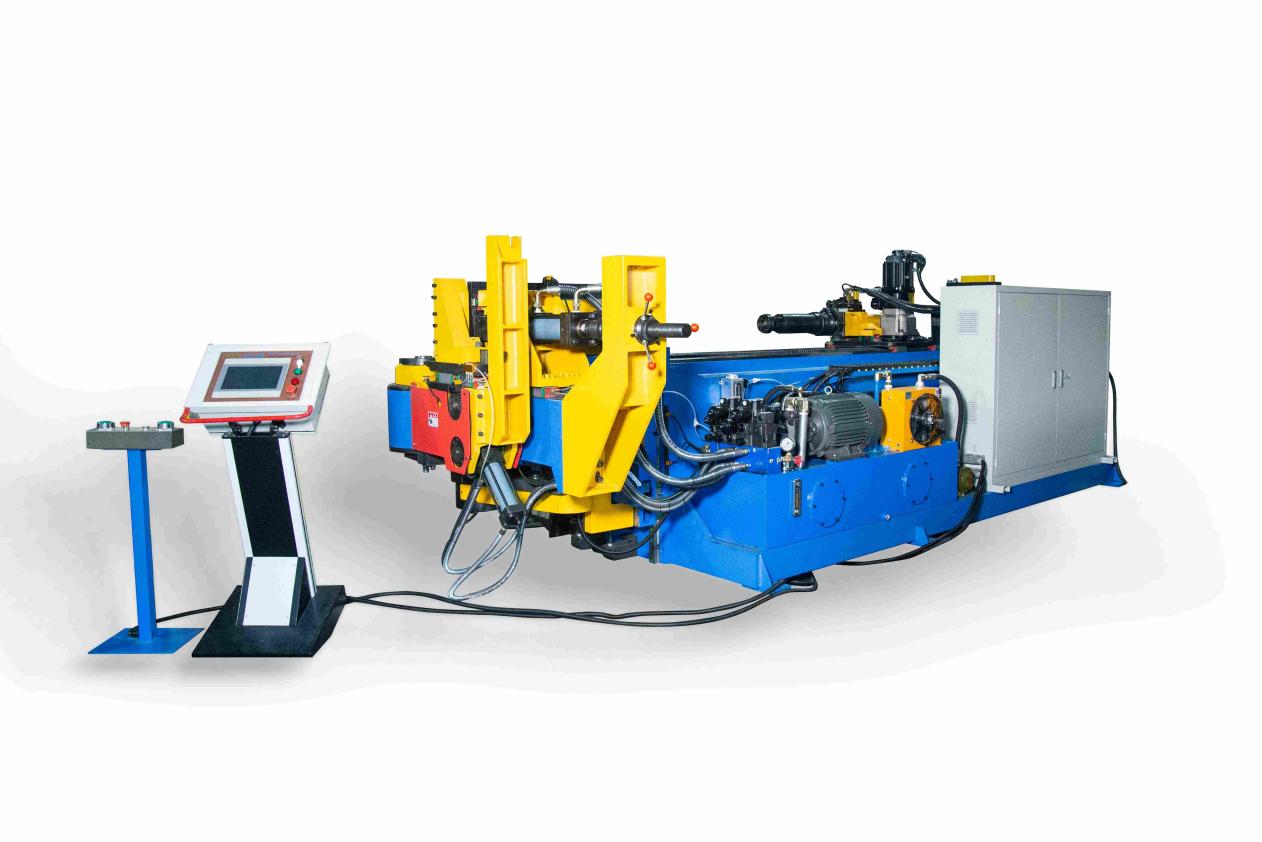
A modern tube bending machine replaces manual bending processes with automated, programmable control. This shift brings several advantages:
- Improved precision and repeatability
CNC-controlled systems ensure each bend is executed with consistent angles and radii. - Reduced human error
Automation minimizes variability caused by manual handling. - Higher production efficiency
Continuous operation allows manufacturers to meet large-scale demand.
These machines are widely used in various HVAC applications, including:
- Air conditioner tubing
- Refrigerator coils
- Heat exchanger pipes
In all these applications, maintaining dimensional accuracy is critical. A high-performance pipe bending machine ensures that each component meets strict design requirements, supporting both product quality and assembly efficiency.
What are the HVAC Copper Tube Processing Requirements?
Copper tubes used in HVAC systems are not simple straight components—they often require complex geometries and tight tolerances. This creates several key processing challenges:
- Small radius bending
HVAC systems often require compact layouts, especially in heat exchangers and refrigeration units. This means tubes must be bent at small radii without compromising structural integrity. - Wrinkle and collapse prevention
During copper tube bending, thin-walled tubes are prone to wrinkling or collapsing. Maintaining smooth inner and outer surfaces is critical for proper fluid flow. - High consistency
Large-scale production demands that every tube meets the same specifications. Even minor deviations can affect system performance. - Mass production capability
HVAC manufacturers typically operate in high-volume environments, requiring fast cycle times and stable processes.
These challenges highlight why advanced tube bending machine solutions are no longer optional—they are a necessity for competitive HVAC production.
Key Technologies in HVAC Tube Bending
Modern HVAC production relies on several advanced technologies to achieve reliable copper tube bending:
|
Technology |
Function |
Benefit |
|
CNC control |
Programmable bending sequences |
High precision and flexibility |
|
Multi-axis bending |
Simultaneous control of multiple movements |
Complex shapes with fewer setups |
|
Servo system |
Accurate motion control |
Stable and repeatable performance |
|
Mandrel bending |
Internal support during bending |
Prevents wrinkles and collapse |
Among these, mandrel bending is especially important for thin-walled copper tubes. By supporting the inside of the tube, it ensures smooth bends without deformation—critical for HVAC applications where airflow and fluid dynamics matter.
From Standalone Machines to Integrated Tube Processing Solutions
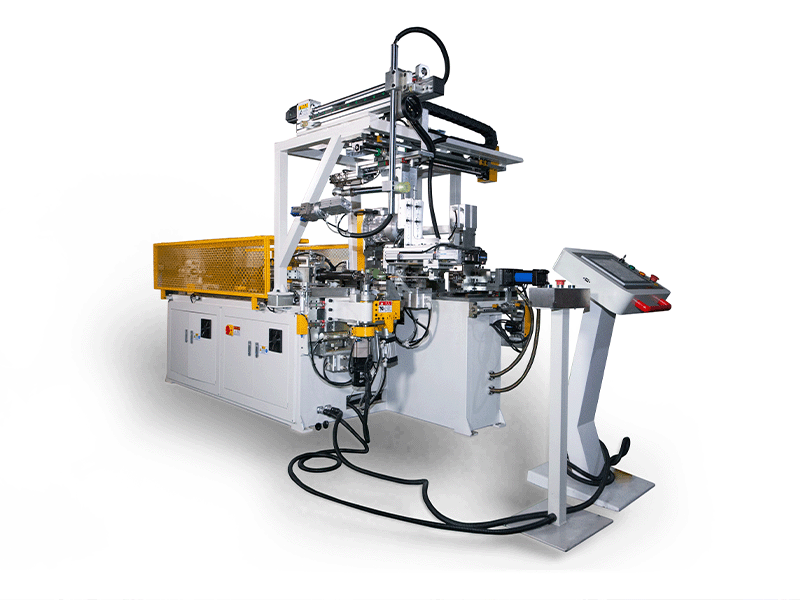
One of the most important industry trends is the shift from standalone machines to integrated tube processing solutions.
In the past, manufacturers used separate machines for each step:
Cutting
Bending
End forming
Today, these processes are increasingly combined into a single automated pipe production line. This integrated approach typically includes:
By connecting these units into a unified system, manufacturers can achieve:
- Continuous production flow
- Reduced handling time
- Lower labor requirements
- Improved overall efficiency
For HVAC companies aiming to scale production, investing in integrated tube processing solutions is becoming a strategic priority rather than an optional upgrade.
Typical Automated HVAC Pipe Production Line
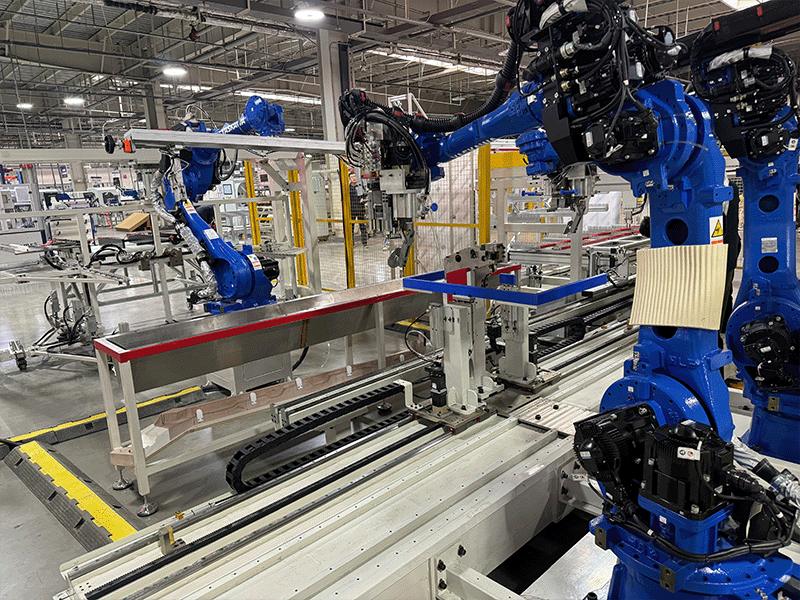
A typical automated pipe production line for HVAC applications follows a structured workflow:
1. Tube loading
Raw copper tubes are automatically fed into the system.
2. Cutting
Tubes are cut to precise lengths based on design specifications.
3. Bending
A CNC tube bending machine performs the required bends with high accuracy.
4. End forming
Tube ends are expanded, reduced, or flared to meet connection requirements.
5. Inspection
Inline measurement systems verify dimensions and quality.
6. Unloading
Finished parts are automatically sorted and prepared for assembly.
This streamlined process not only improves efficiency but also ensures consistent product quality across large production volumes.
Advantages of Automated Tube Bending in HVAC Industry
Adopting automated tube bending machine solutions brings multiple benefits to HVAC manufacturers:
- Higher efficiency
Automated systems significantly reduce cycle times compared to manual processes. - Lower labor costs
Fewer operators are required, and manual intervention is minimized. - Improved consistency
Each part is produced according to the same programmed parameters. - Reduced material waste
Accurate bending reduces scrap caused by errors or deformation.
These advantages directly contribute to lower production costs and improved competitiveness in the HVAC market.
How to Choose the Right Tube Bending Machine for HVAC?
Selecting the right tube bending machine depends on several key factors:
- Tube diameter range
Ensure the machine supports the required sizes for your HVAC products. - Material compatibility
Copper and aluminum tubes have different properties and require appropriate configurations. - Level of automation
Consider whether you need a standalone pipe bending machine or a fully integrated system. - Integration capability
For large-scale production, compatibility with an automated pipe production line is essential.
A well-matched solution not only improves efficiency but also ensures long-term scalability as production demands grow.
FAQ About Tube Bending Machine For HVAC
Q1: What is the best tube bending machine for copper tubes?
A: The best tube bending machine depends on your production scale and requirements. For HVAC manufacturing, CNC machines with mandrel bending capabilities are typically preferred due to their precision and ability to prevent deformation.
Q2: How to prevent wrinkling in copper tube bending?
A: Wrinkling can be reduced by using mandrel bending, optimizing bending speed, and ensuring proper tooling design. A high-quality pipe bending machine with servo control also helps maintain stability.
Q3: What is an automated pipe production line?
A: An automated pipe production line is a fully integrated system that combines cutting, bending, end forming, and inspection into a continuous workflow, reducing manual intervention and improving efficiency.
Q4: Can tube bending machines be integrated with end forming?
A: Yes, modern integrated tube processing solutions often combine bending and end forming in a single system, enabling faster production and better consistency.