
In modern tube processing, cutting is often the first step before forming, bending, punching, or assembly. For HVAC copper tubes, automotive pipes, refrigeration tubes, and other small diameter tube parts, the cutting process affects more than tube length. It also affects how smoothly the next process can run. If cutting is slow, unstable, or difficult to connect with downstream equipment, the whole production flow can be affected.
Chipless tube cutting machines help manufacturers build a cleaner and more efficient cutting workflow. When chipless cutting is combined with automatic feeding, straightening, end forming, punching, or bending, it becomes part of a complete automated tube processing solution rather than an isolated machine purchase.
What Is a Chipless Tube Cutting Machine
A chipless tube cutting machine cuts tube material without the traditional cutting chips created by many mechanical cutting methods. It is used when manufacturers need repeatable tube cutting and a process that can connect more easily with the next production step.
GSIE provides tube cutting machine solutions for manufacturers that process tube materials in repeated production. The tube cutting machine category includes equipment such as KDWS-20 and KDW-216*2+2. These machines are designed around efficient tube cutting, automatic operation, stable processing, and easier size changeover for production environments.
Why Chipless Cutting Matters in Tube Processing
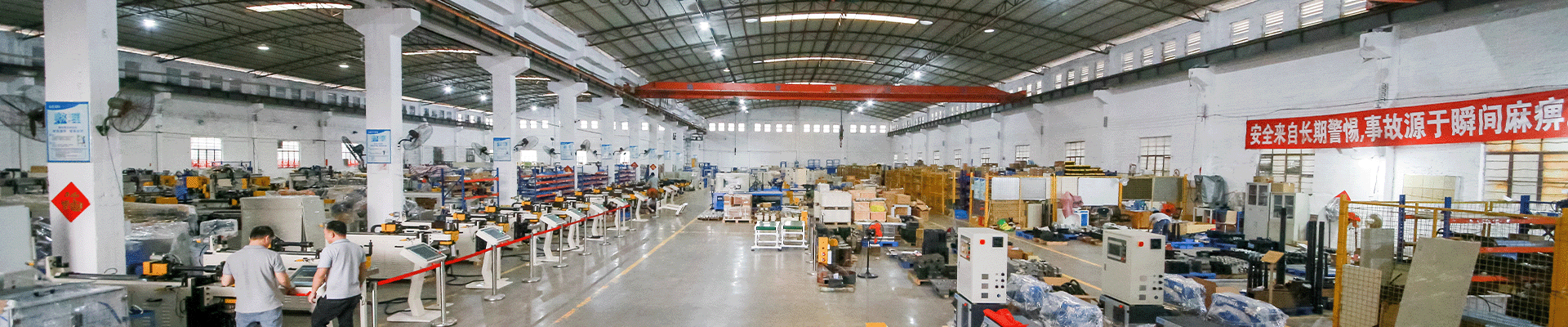
Cutting is not separate from the rest of tube production. In many factories, a tube must be cut before it can be formed, punched, bent, or assembled. GSIE's tube processing approach connects cutting, forming, and bending into a smoother system so materials move less between stations. Less movement can help reduce handling damage and support a cleaner, faster production flow.
This is why chipless cutting is valuable as a front end process in automated tube production. It helps prepare tube material for the next operation and supports manufacturers that want to reduce manual transfer between machines.
Key Benefits of Chipless Tube Cutting Machines
Cleaner Processing for Repeated Tube Production
Chipless cutting helps manufacturers avoid the chip control issues often associated with conventional cutting. For repeated tube production, a cleaner cutting process can make the production area easier to manage and help the following process run more steadily.
Better Connection with Forming and Bending
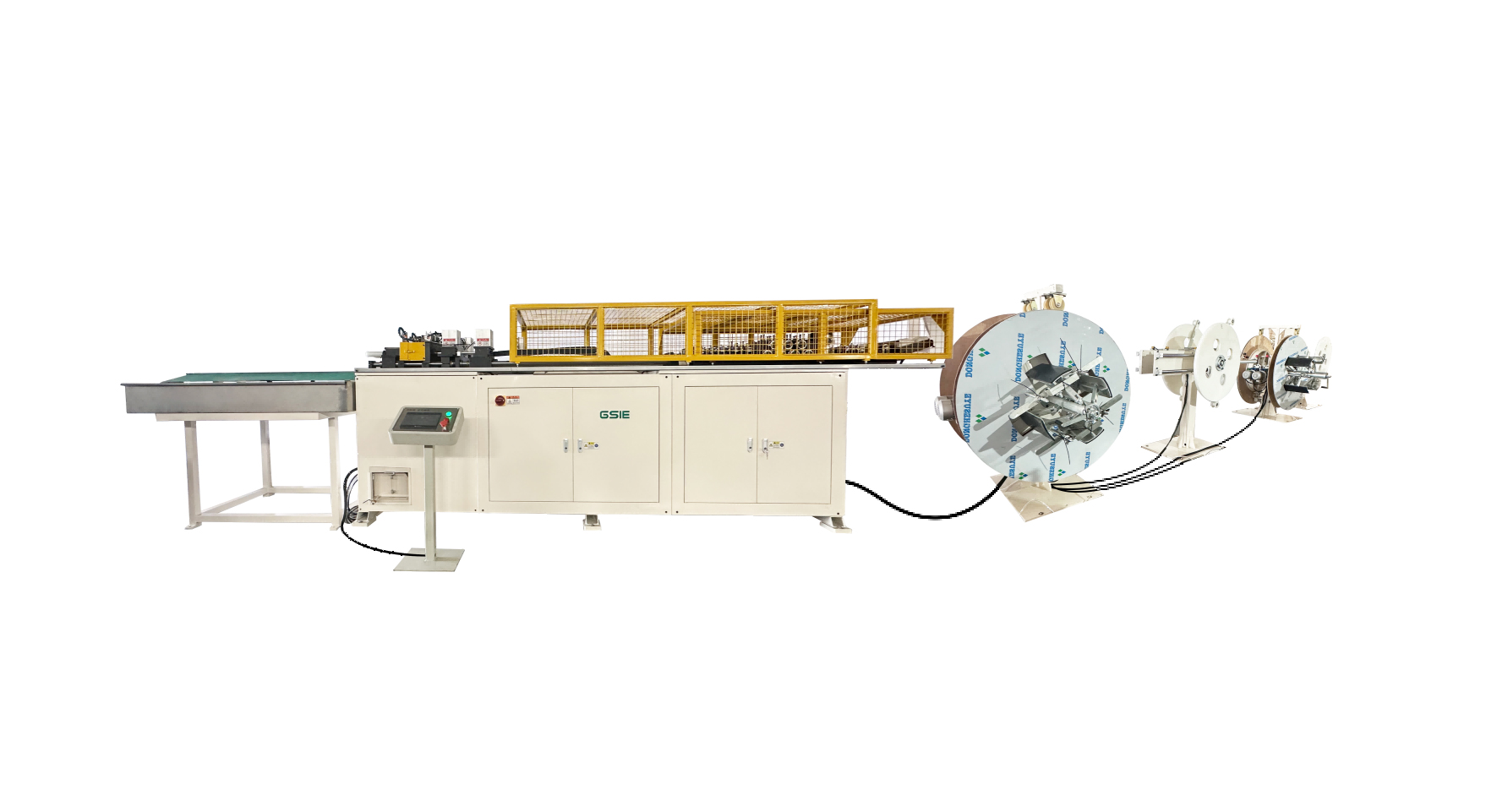
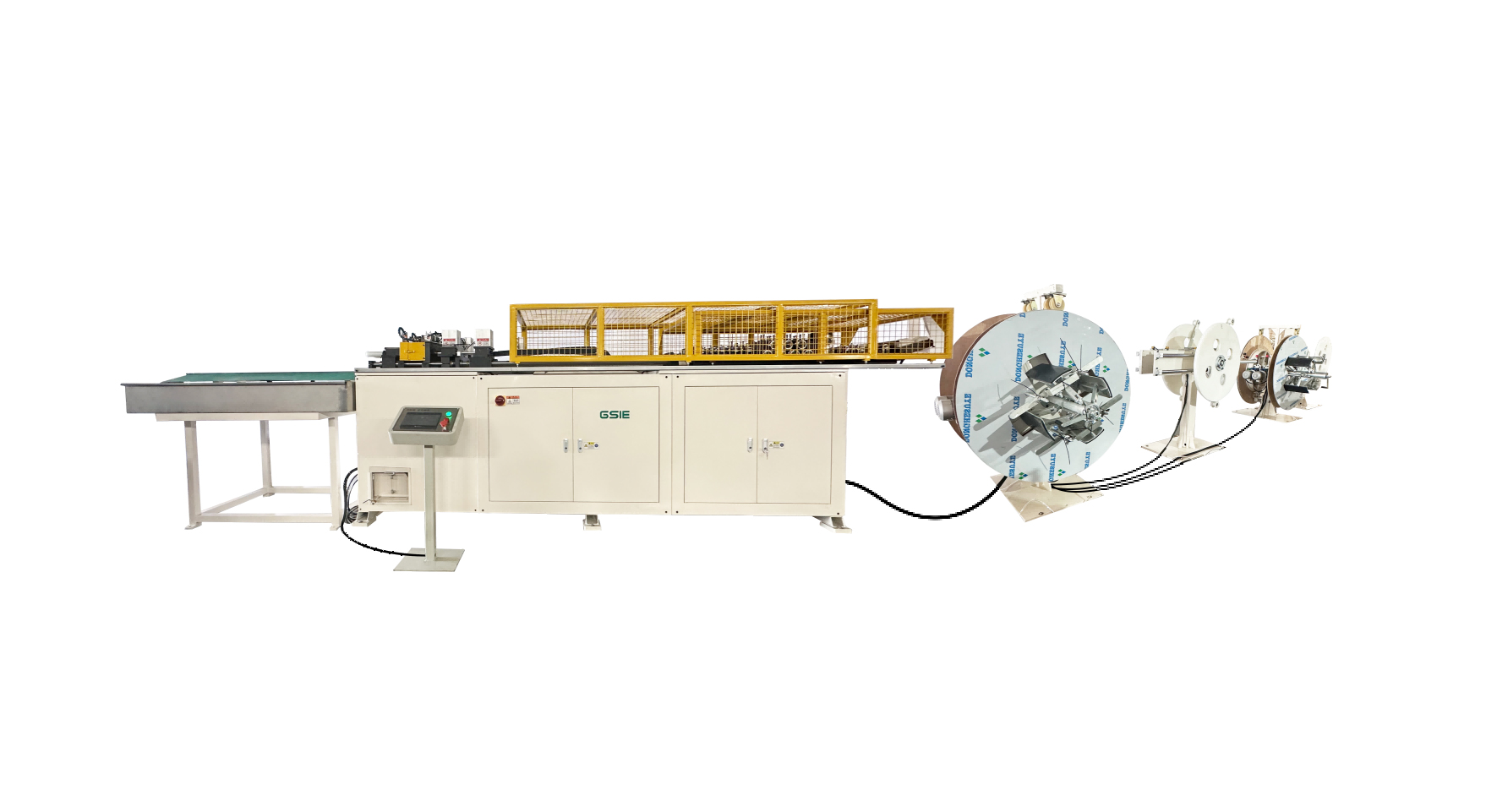
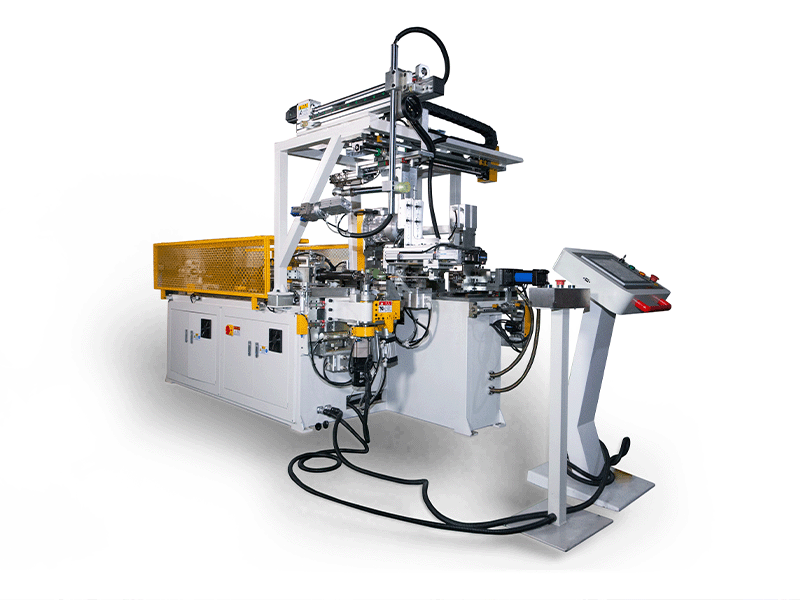
Chipless cutting becomes more valuable when it is connected with downstream processes. GSIE's cutting end integrated machine combines chipless cutting, hole punching, end forming, and tube bending into one high efficiency system for HVAC copper pipe production. This type of integration is especially useful when the factory needs continuous processing rather than separate single purpose machines.
Suitable for Coil Fed and Straight Tube Workflows
Manufacturers should also consider whether their production starts from coil fed material or straight tubes. GSIE's tube cutting solutions are positioned for flexible tube cutting needs, including workflows that transition from coil fed materials to straight tubes. For HVAC copper tube production, coiled copper tube processing can be connected with automatic cutting and downstream forming or bending processes.
Less Manual Handling in Automated Lines
When cutting, feeding, straightening, forming, and bending are connected, operators spend less time moving tube parts between stations. GSIE's auxiliary automation solutions also support this direction. The KGWYJ20-R2-R integrates uncoiling, straightening, fixed length chipless cutting, tube end forming, and 3D bending for fully automatic processing of stainless steel coil tubing.
Applications of Chipless Tube Cutting Machines
Chipless tube cutting machines are suitable for manufacturers that need efficient tube preparation before forming, bending, or assembly. In HVAC copper tube processing, cutting is often part of a larger workflow that may include punching, end forming, and tube bending. In automotive pipe production, stable cutting supports the next steps for pipe parts such as brake system components and air conditioning pipes.
Chipless cutting can also support refrigeration tube production, fluid connection parts, medical apparatus, and industrial tube components. These applications usually require stable tube length and a workflow that can connect cutting with the next process.
Standalone Cutting Machine or Integrated Tube Processing Line
A standalone chipless tube cutting machine is suitable when cutting is the main production bottleneck. It can help manufacturers improve cutting efficiency while keeping the rest of the process unchanged. However, if cutting must connect with punching, end forming, bending, straightening, or automatic feeding, an integrated tube processing line may be more suitable.
The choice depends on the factory's current production layout and the final tube part. A manufacturer that only needs repeated fixed length cutting may choose a focused tube cutting machine. A manufacturer building automated HVAC copper tube production may need an integrated system that combines chipless cutting with hole punching, end forming, and bending.
How to Choose a Chipless Tube Cutting Machine
Before selecting equipment, buyers should define the tube material, outer diameter, wall thickness, tube form, cutting length, and downstream process. Materials may include copper, aluminum, steel, or stainless steel, depending on the application. The production team should also confirm whether the machine needs to connect with feeding, straightening, punching, end forming, bending, loading, or unloading equipment.
Production volume and automation level are also important. For small batch work, a focused cutting machine may be enough. For repeated HVAC, automotive, refrigeration, or industrial tube parts, integrated chipless cutting can help create a more stable and automated workflow.
GSIE Chipless Cutting and Integrated Tube Processing Solutions
GSIE provides tube cutting machines and integrated tube processing solutions for manufacturers that need efficient, automated tube production. For cutting focused needs, GSIE offers tube cutting machine solutions such as KDWS-20 and KDW-216*2+2. For HVAC copper tube production, GSIE provides cutting end integrated machine solutions that combine chipless cutting, hole punching, end forming, and tube bending.
For manufacturers that need auxiliary automation, GSIE's equipment can also connect uncoiling, straightening, fixed length chipless cutting, tube end forming, and 3D bending. Buyers can share tube material, outer diameter, wall thickness, feeding method, cutting length, downstream process, production volume, and automation requirements so GSIE can match the right cutting or integrated processing solution.
FAQ
What is a chipless tube cutting machine
A chipless tube cutting machine cuts tube material without traditional cutting chips and is used when efficient, repeatable tube cutting is required.
Which industries use chipless tube cutting machines
They are used in HVAC copper tube processing, automotive pipe production, refrigeration systems, medical apparatus, and industrial tube parts.
Can chipless cutting be integrated with other tube processes
Yes. GSIE provides integrated solutions that combine chipless cutting with hole punching, end forming, bending, uncoiling, straightening, and 3D bending, depending on the production need.
Conclusion
Chipless tube cutting machines are valuable not only for cutting tubes, but also for improving the whole tube processing workflow. For manufacturers producing HVAC copper tubes, automotive pipes, refrigeration tubes, or industrial tube parts, chipless cutting can support cleaner process flow and better connection with downstream forming and bending.
GSIE provides tube cutting machines and integrated tube processing solutions that connect chipless cutting with feeding, straightening, punching, end forming, and bending. Manufacturers can share tube specifications and production requirements to configure the right cutting or integrated processing solution.